Resilience & Wellbeing · Leadership
Ever Been Physically Home, Yet Not Mentally Home?
I know what it's like to be in the room and a thousand miles away. There's a way through.
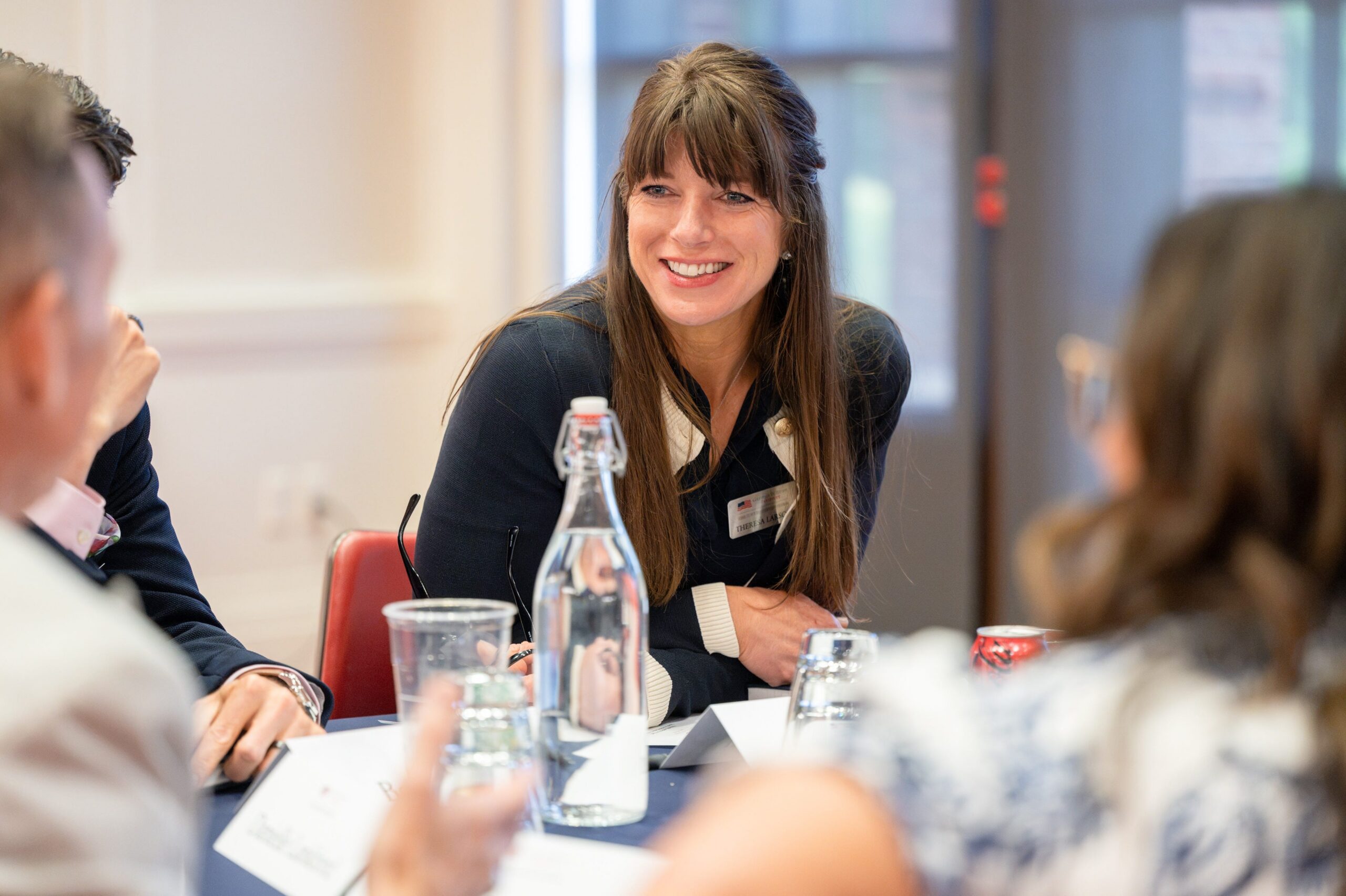
Being home but not really there is what depletion looks like from the outside. Being present at home as a leader doesn't come from finding more hours. It comes from protecting your energy: one non-negotiable, the big three (sleep, movement and good fuel), a growth mindset, and someone to hold you to it. One executive team that did this went from 64% to 100% feeling they had the energy to make a positive difference.
Midway through one of our leadership development programs, a senior leader said something that quieted the room.
"I'm home for dinner almost every night. I'm at the games. And most nights I couldn't tell you one thing my kids said. I'm there, but I'm not there."
Every head at the table nodded. Physically home, yet not mentally home, is a real thing. I have experienced it, and I know you all have too at various times in your life.
Maybe you are experiencing it right now.
Why Leaders End Up Home but Not Present
It's what depletion looks like from the outside. Your body clocks in at the dinner table, at the game, in the meeting. Your mind is still three tabs deep in tomorrow's problems.
That's the work behind our Be Well to Lead Well leadership development programs and executive coaching.
We know sales comes at an energy cost, with the counter resetting to zero every month. And we know running a company has its own drain, where it's easy to get caught in the day-to-day and lose sight of the bigger picture. Both are exciting, too. That's part of the trap: work this energizing makes it easy to skip the recovery that keeps you in the game.
What Changed for One Executive Team in 8 Weeks
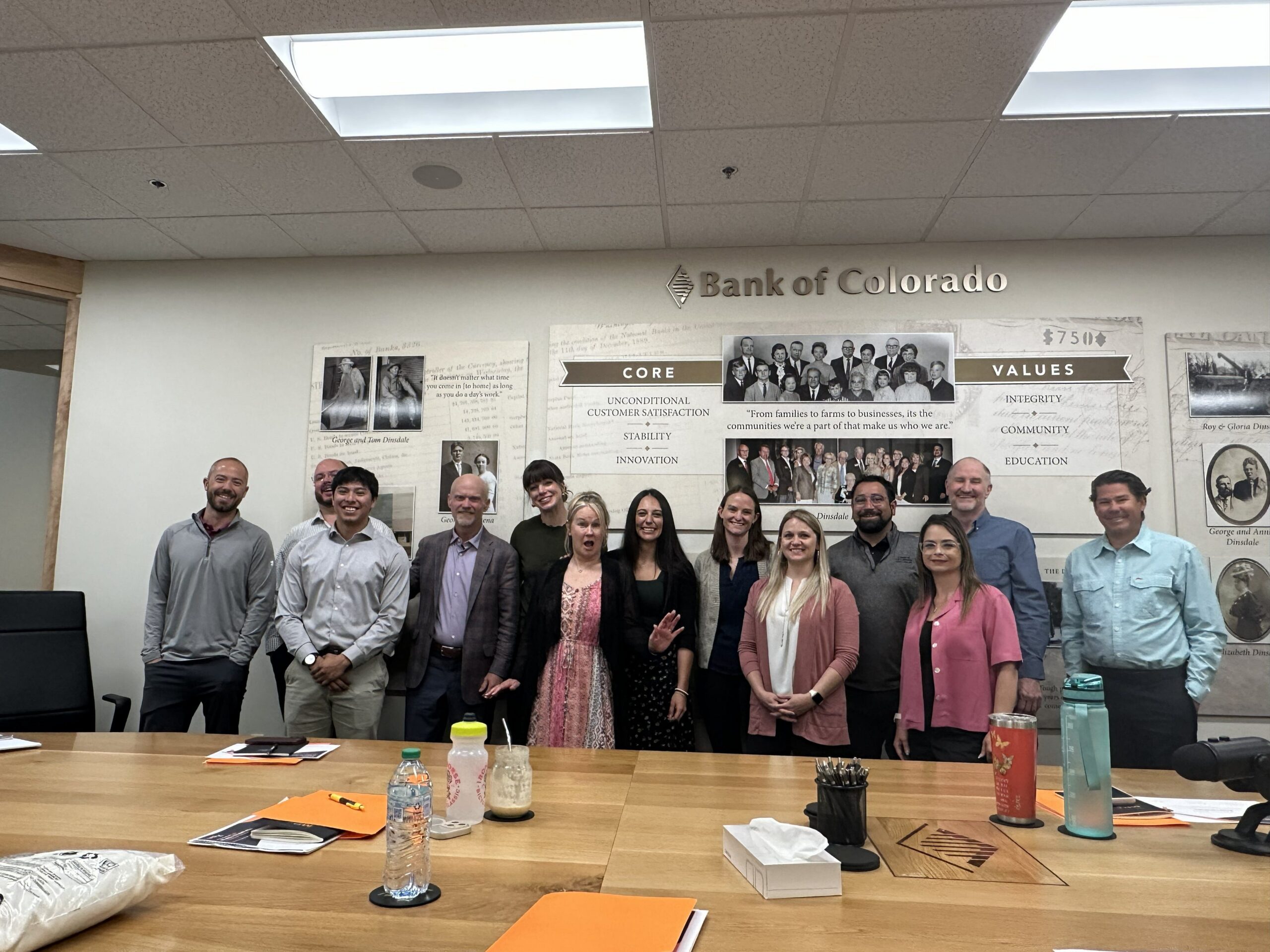
Recently we wrapped up this program with the executive leadership team at Bank of Colorado. On day one, we asked them to respond to a simple statement in their assessment:
"I have sufficient energy to make a positive difference for others."
Only 64% could say yes. By the end of the eight weeks, 100% said yes. Every leader.
They also reported a 32% jump in focus at work, an 18% increase in work completion, a 16% improvement in managing stress, and 12% better sleep.
The number that stopped me was about time. On day one, only 36% felt they had sufficient time for what matters most. By the end, 56% did. Their calendars never got lighter. What changed was what they refused to give up inside them.
This leadership team embraced the challenge from day one. They invested in themselves, supported one another, and created a culture of accountability. The outcomes speak for themselves.
What we have seen is that most leadership development programs spend their budgets teaching strategy and influence. Very few ask the question that determines whether any of it sticks: when time runs out, and it always does, what do you refuse to cut? That gap is where human performance-focused leadership development programs and coaching earn their place. They treat energy, sleep, and recovery as leadership skills, not perks.
4 Ways to Start Being Present at Home as a Leader
The Bank of Colorado leaders didn't find more hours. They rebuilt four things, and you can start on all four this week.
1Turn a priority into a non-negotiable
Priorities compete. Standards don't. A priority says, "I'll exercise if the morning goes smoothly." A non-negotiable says, "I train at 6 a.m. That's who I am. The morning schedules itself around it."
Taking care of the leader, and that leader is you, is not selfish. It's troop welfare, applied to the one troop you've been neglecting. I've neglected that troop myself, and it ain't pretty. Don't let work get so important that you drop off your own list.
2Protect the big three: sleep, movement, and good fuel
Travel is where good habits go to die, and I travel a lot for keynotes, leadership development programs, and client work. So I hold non-negotiables on the road. I protect my sleep like a briefing time. I get 14–20 minutes of planned movement every day, even in a hotel gym, and stack unplanned movement on top: standing during lectures, walking every chance I get. I eat real food I pack instead of whatever the airport hands me.
These three keep me strong enough, mentally and physically, to handle whatever adversity shows up, and energized enough to truly listen, both to the leaders I serve and to my family when I walk back through the door. When they're in place, people get the best of me. When they're not, everyone gets what's left of me.
3Keep a growth mindset
Treat every hard season as something to learn from, not something to survive. The journey truly is the destination. As cliché as that sounds, it helps, because curiosity keeps your mind where your body is. I still try to learn as much as I can from every room I'm in, and it's what keeps me present in those rooms, including the ones at home.
When I catch myself at home but not present, that's my signal: I need a quick reboot on my perspective, from the work I'm doing to the work I get to do.
The Choose Your Hard mindset works well here (this is what my next book is about). I can choose to reboot my perspective, and the consequence is being present and letting things go. Or I can choose to stay stuck ruminating on what's on my mind, and the consequence is more of the same: physically home, yet mentally not home.
Both are hard. Choose your hard.
4Don't rebuild alone
The Bank of Colorado leaders didn't get from 64% to 100% on willpower. They did it inside a community that expected them to show up whole. Find your version of that, whether it's a peer, a spouse, or an executive coaching relationship. Tell them your standard and give them permission to hold you to it.
If You're a Veteran Leader Reading This…
As a veteran leader who works with many veteran leaders, I want to speak directly to those of you out there.
In uniform, health and fitness wasn't a hobby. Physical training (PT) was on the schedule, the standards were clear, your unit held you to them, and your body was mission equipment. You didn't have to find time for your health. The structure found it for you.
Then you took off the uniform, and nobody schedules your PT anymore. The mission kept coming, but the structure disappeared. So you did what you were trained to do: mission first. You skipped the workout for the deliverable, ate at your desk, slept five hours because the deadline couldn't wait. Each trade felt reasonable, even honorable. Years of reasonable trades later, you're the leader everyone counts on who struggles to count on your own body.
The truth is you haven't lost the discipline. You've lost the structure. Civilian life, corporate life, running-your-own-business life: none of it comes with structure built in. Yet structure can be rebuilt, and you've done it before. You had a battle buddy and a standard someone else enforced. Find both again. (More on this in the one thing high-performing veteran leaders keep telling me.)
This Week's Challenge
Before Friday, answer one question in writing: What is my non-negotiable, and who knows about it?
That second half matters. Research from Dominican University of California found that people who write down their goals, make an action plan, and share weekly progress with someone achieve their goals at a rate of 76%, compared to just 43% for those who keep their goals in their heads. So write it down, tell someone, make a plan, and better yet, get a coach. The leaders who get mentally home, not just physically home, don't do it alone.
Frequently Asked Questions
Why do leaders feel physically present but mentally absent at home?
It's usually depletion. When sleep, movement and recovery get traded away for work, your body shows up at dinner or the game while your mind stays on tomorrow's problems. Rebuilding energy is what brings your attention home with you.
How can a leader be more present at home?
Turn one priority into a non-negotiable, protect sleep, movement and good food, treat hard seasons as something to learn from, and don't rebuild alone. Write down your non-negotiable and tell someone who will hold you to it.
Why do veterans struggle with their health after leaving the military?
In uniform, physical training was scheduled and the standards were enforced for you. Civilian and corporate life don't come with that structure, so health gets traded for the mission one reasonable decision at a time. The discipline is still there. The structure has to be rebuilt.
Make Your Health a Leadership Commitment
If you're ready to make your health a standing leadership commitment instead of a standing regret, that's the work our concierge executive and human performance coaching and leadership development programs are built around.
Connect with Dr. T →Choose Your Hard: Book Update
The book is gaining momentum. We're getting interest from literary agents and publishers. I can't share details yet, but this project is getting closer to your hands. You'll be the first to know.
Dr. T
Sources
- Matthews G. "Goals Research Summary." Dominican University of California, 2015.
Related reading: What a Yale Professor Discovered About Leaders Who Feel as Good as They Look on Paper · 4 Non-Negotiables for Staying Healthy on the Road · The Veteran Gap