What Works (and Doesn't) in Leadership Development
If you do what you've always done, you get what you've always got.
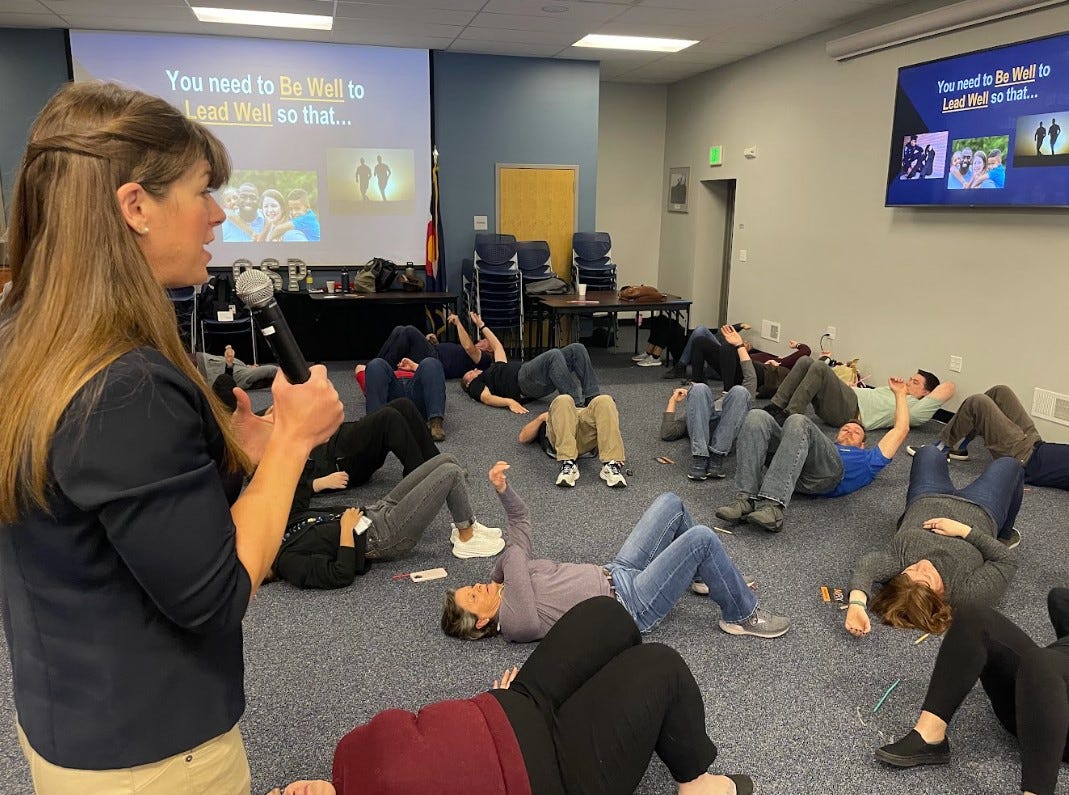
Most leadership development fails for four reasons: leaders don't participate, training is a one-off event, it's a check-the-box initiative, or there's no accountability. Cohort-based leadership programs work because leaders practice real skills over time, alongside their peers and their own leaders.
At MRx Leaders, instead of just talking about the skills that improve energy, productivity and work-life integration, we have leaders practice them.
Organizations spend billions on leadership development each year, yet most programs fail to create lasting behavior change. After years of working with leaders across organizations and veteran programs, we've seen clear patterns of what doesn't work, and what actually does.
- Part 1The Leadership Edge Everyone's Ignoring: an introduction to Integrated Intelligence™, the new IQ for leaders, blending emotional and physical intelligence.
- Part 2Today: what works, and what doesn't, in leadership development.
- Parts 3–4Coming in the next two newsletters.
Watch: What Works in Leadership Development (Video 2 of 4)
Watch the video here, read below, or both.
Why Do Leadership Development Programs Fail? A Quick Story
Years ago, we supported a corporate wellness initiative in San Diego at a large online education company. The intention was great, the programming was strong, and leadership was bought in.
But in the end, leadership wasn't involved. They never showed up. They were too busy.
The initiative slowly faded. We didn't know then what we know now.
Over the years, we've seen several common reasons leadership programs fail. Let's dive into why.
What Doesn't Work in Leadership Development
1Leaders don't participate
When leaders offer a program but don't actively engage in it, employees notice. It sends a subtle message that the initiative isn't truly important. Culture only shifts when leaders show up, model behaviors and reinforce learning.
2One-off trainings
A single workshop, even an inspiring one, rarely changes behavior. Without reinforcement, reflection and practice, people revert to old habits.
3Check-the-box initiatives
Programs designed to satisfy HR metrics rarely create meaningful engagement. Real development requires purpose, relevance and challenge.
4No accountability
Even the best training loses momentum without structures that measure progress and encourage consistent application.
What Works: Cohort-Based Leadership Programs
In the leadership programs we've supported, several elements consistently drive real change.
1Cohort-based learning
Programs that run for several weeks or months create space for reflection, peer learning and accountability, so leaders have time to practice and apply new skills consistently.
2Real-world application
The most effective programs help leaders solve the challenges they face every day: conflict, decision-making under pressure, and maintaining focus and energy.
3Active leadership involvement
When leaders participate alongside their teams, engagement increases and culture begins to shift. Programs work far better when leaders model the behaviors being taught.
4Whole-leader development
Sustainable leadership development supports mindset, behavior and nervous system regulation, helping leaders perform at work and show up better at home. (That's the idea behind physical intelligence for leaders.)
The Bottom Line
Leadership development often fails when leaders don't actively participate, when training is delivered as one-off events, when initiatives are treated as check-the-box exercises, or when there's no accountability for applying what's learned.
Real change happens when programs are designed differently: cohort-based learning over time, focused on solving real workplace challenges.
When leaders participate alongside their teams, and programs support the whole leader (mindset, behavior and regulation), skills are far more likely to stick and translate into meaningful performance, engagement and cultural impact.
Frequently Asked Questions
Why do most leadership development programs fail?
Most fail for four reasons: leaders offer the program but don't take part, training is delivered as a one-off workshop, the initiative exists to check an HR box, or there's no accountability for applying what was learned. Without reinforcement and practice, people slide back into old habits.
What is a cohort-based leadership program?
A cohort-based leadership program brings the same group of leaders together over several weeks or months. Instead of a single workshop, participants learn, practice new skills at work, reflect and hold each other accountable over time.
Why do cohort-based leadership programs work better than one-off workshops?
They give leaders time to apply new skills to real challenges, peers who hold them accountable, and repeated practice that turns insight into habit. When senior leaders take part alongside their teams, the culture shifts too.
See How Our Cohorts Work
Learn more about our cohort-based leadership programs and whole-leader approach to building healthier, more resilient leaders and teams.
Explore Our Cohorts → Book a Call with Dr. TRelated reading: The Leadership Edge Everyone's Ignoring · One Thing the Best Leaders Do Differently · The Veteran Gap: How to Improve Veteran Retention