Human Performance · Leadership
Every Leader Gets 24 Hours. The Best Ones Manage Something Else.
Why leadership starts with energy, not time
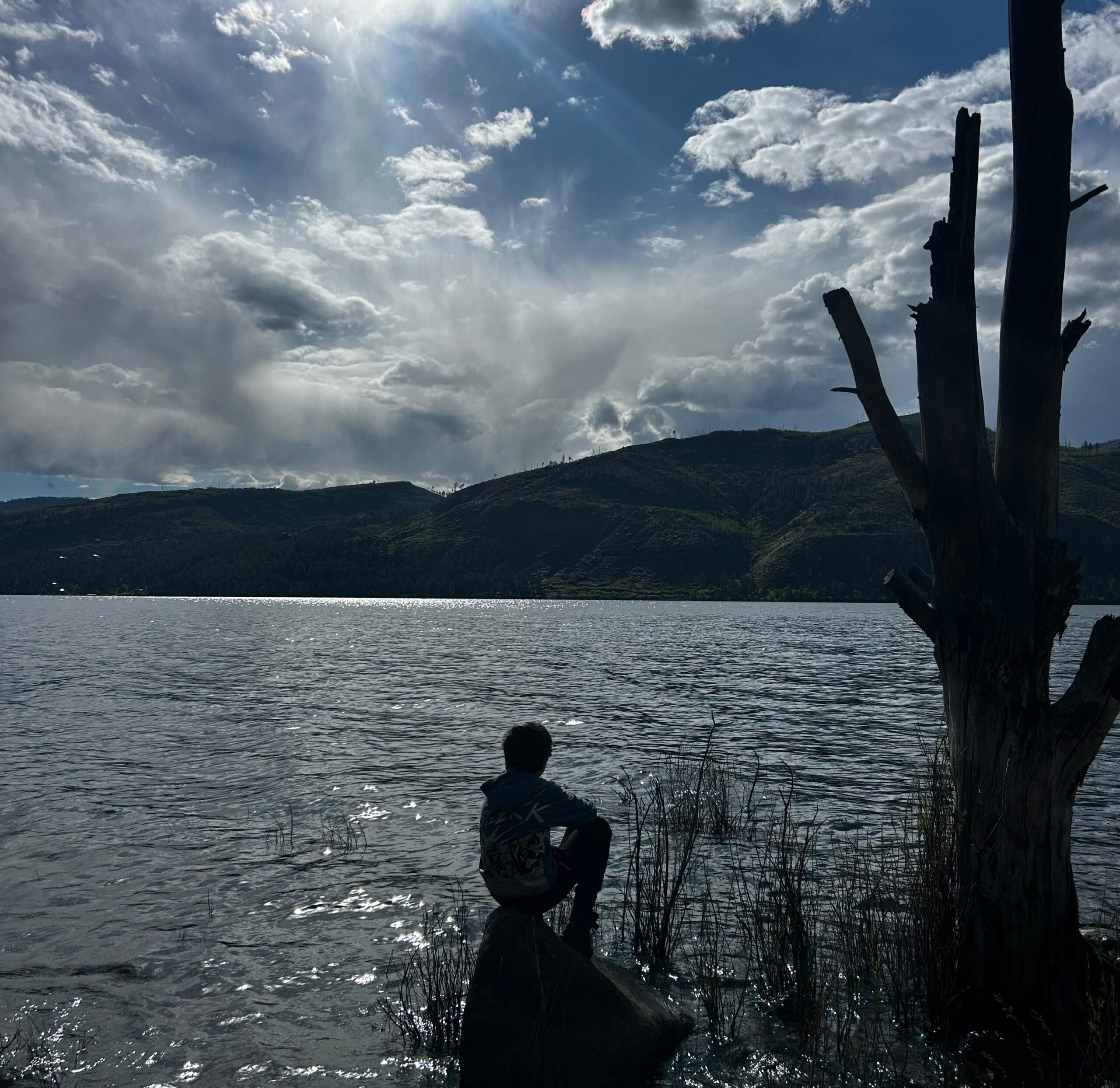
Every leader gets the same 24 hours. What separates the best ones is the energy they bring to those hours. Energy management for leaders means protecting the habits that refuel you (movement, sleep, emotional regulation, recovery) especially when things get hard, instead of saving them for when things calm down. They never calm down.
When stress arrived (and as a leader, it always does), I shelved the very things that kept me going. The morning movement. The mental reset. The habits that filled my tank. I told myself: when this settles down, I'll get back to it.
It never settled down. There was always another fire, another quarter, another reason to put myself last.
I was operating under a flawed belief: that well-being was a reward for surviving the hard stuff, not the fuel required to handle it. It's a belief I see constantly in the leaders who come into our programs, and it's the first thing we work to change.
How Common Is Burnout Among Leaders?
I'm not alone in learning this the hard way. Burnout is one of the most common topics leaders raise when they get honest with each other, and the data backs it up.
The Mayo Clinic describes job burnout as "a state of physical or emotional exhaustion that also involves a sense of reduced accomplishment and loss of personal identity." It doesn't announce itself. It accumulates through years of giving everything and refueling nothing.
And the cost doesn't stay at work. Researchers at Stanford and Harvard estimated that workplace stressors like long hours, low job control and job insecurity could cost the most exposed groups nearly three years of life. The body keeps the score long after you've left the office.
Why Do High-Performing Leaders Burn Out First?
The most dedicated leaders are often most at risk. When pressure mounts, they push harder, sleep less, skip the workout. It feels necessary. But it quietly depletes the very resource the work depends on: you.
It's hard to imagine investing in well-being when you're putting out fires all day. Yet the habits that get sidelined (movement, rest, emotional regulation, recovery) are what make you better at handling those fires. Clearer. Faster. More resilient. (Here's what that looks like for busy leaders.)
Why Energy Management Beats Time Management
Every leader gets the same 24 hours. The difference isn't the clock. It's the energy brought to it.
An hour of focused, grounded thinking produces a fundamentally different result than an hour running on empty. You can block your calendar perfectly and still do your worst work if you show up drained.
Time is fixed. Energy is renewable, built and replenished through movement, sleep, emotional regulation and recovery. These aren't luxuries around the "real" work. They are the work of sustaining high performance. It's the same idea behind physical intelligence: your body is part of how you lead.
Small energy investments are the lever that makes everything else work better.
The world doesn't need the rest of you. The world deserves the best of you.
How Do Leaders Build Energy Habits That Stick?
This is exactly what we address in our leadership development programs: not just strategy and skills, but the energy habits that let leaders show up at their best, consistently.
Habits stick faster with accountability. That's why we often deliver this work as a cohort of 15–20 leaders who go through it together, or build it into an organization's existing leadership development so it reaches leaders where they already learn. Either way, you're not doing it in isolation. You're building sustainable performance habits alongside other leaders navigating the same pressures, and they hold you to them.
What Consistent Leaders Do Differently
I don't wait for the calm anymore.
I lean into the habits that give me energy precisely when things get hard. Not perfectly, but consistently. Through stressful seasons and easy ones alike. (Even on the road.)
That consistency is the thing. The version of me leading today, through hard quarters and relentless demands, is steadier and sharper than the one who kept putting herself last.
The fire is never fully out. That's not a problem to solve. It's a condition to manage, with energy, not just effort.
Where Should You Start?
Pick one habit that refuels you. Protect it like a meeting you cannot cancel. Show up for it through every season.
That's not self-indulgence. That's leadership.
Dr. T
Frequently Asked Questions
What is energy management for leaders?
Energy management means treating your physical, mental and emotional energy as the resource your leadership runs on, not your calendar. Time is fixed at 24 hours a day. Energy can be rebuilt through movement, sleep, emotional regulation and recovery, and it decides how much of you shows up for each of those hours.
Why is time management not enough to prevent burnout?
You can block your calendar perfectly and still do your worst work if you show up drained. Burnout builds up from years of giving everything and refueling nothing, so a better schedule doesn't fix it. Protecting the habits that restore your energy does.
How do leaders build energy habits that last through stressful seasons?
Start with one habit that refuels you and protect it like a meeting you can't cancel, especially when things get hard. Habits stick faster with accountability, which is why MRx Leaders often delivers this work as a cohort of 15–20 leaders who hold each other to it.
Ready to Lead With More Energy?
Our Forged to Lead. Fit to Last. leadership development programs build the energy habits that keep leaders performing through every season. We deliver them as a cohort, built into your existing leadership development, or through one-on-one executive coaching.
Talk with Dr. T About Your Leaders →If this resonated, share it with a leader who needs to hear it.
Sources
- LHH. 2025 Views From the C-Suite (survey of 2,675 executives in 10 countries). 2025.
- Vistage / Wall Street Journal Small Business CEO Confidence Index, as reported in "Alone at the top: CEOs report increasing levels of burnout". BenefitsPRO, 2025.
- Mayo Clinic Staff. "Job burnout: How to spot it and take action." Mayo Clinic.
- Goh J, Pfeffer J, Zenios S. "Exposure to harmful workplace practices could account for inequality in life spans across different demographic groups." Health Affairs, 2015. Summary: Stanford GSB.
Related reading: One Thing the Best Leaders Do Differently · What a Yale Professor Discovered About Leaders · What Two Conferences Taught Me About Human Performance Leadership