Leadership · Human Performance
The Missing Link in Your Leader Development
Are you giving yourself and your family the best of you, or what's left of you after stressful workdays?

Most leadership programs teach strategy, communication and management frameworks, but skip the foundation that decides whether leaders can use any of it. Human performance for leaders (managing stress, energy and focus) is that missing link, and it shows up in performance, retention and culture.
- Part 1The Leadership Edge Everyone's Ignoring
- Part 2What Works (and Doesn't) in Leadership Development
- Part 3Skills Practiced at Work Actually Stick
- Part 4Today: the missing link in leader development.
A Quick Story: Two Leaders, Two Wake-Up Calls
A senior leader at a major tech company recently shared that years of constant travel (late dinners, drinks with clients, poor sleep and long flights) had left him exhausted. When he got home, it took days to recover, until his wife finally told him:
"It's not fair that work gets the best of you and we get the worst of you."
Around the same time, a tech leader in his mid-30s shared that he'd just had back surgery. The cause? Years of prolonged sitting had weakened the muscles that protect his lower back, and his body finally gave out.
Two leaders, two wake-up calls, one common thread: too often, leaders only pay attention to their health after something breaks.
Why Human Performance Is the Missing Link in Leadership Development
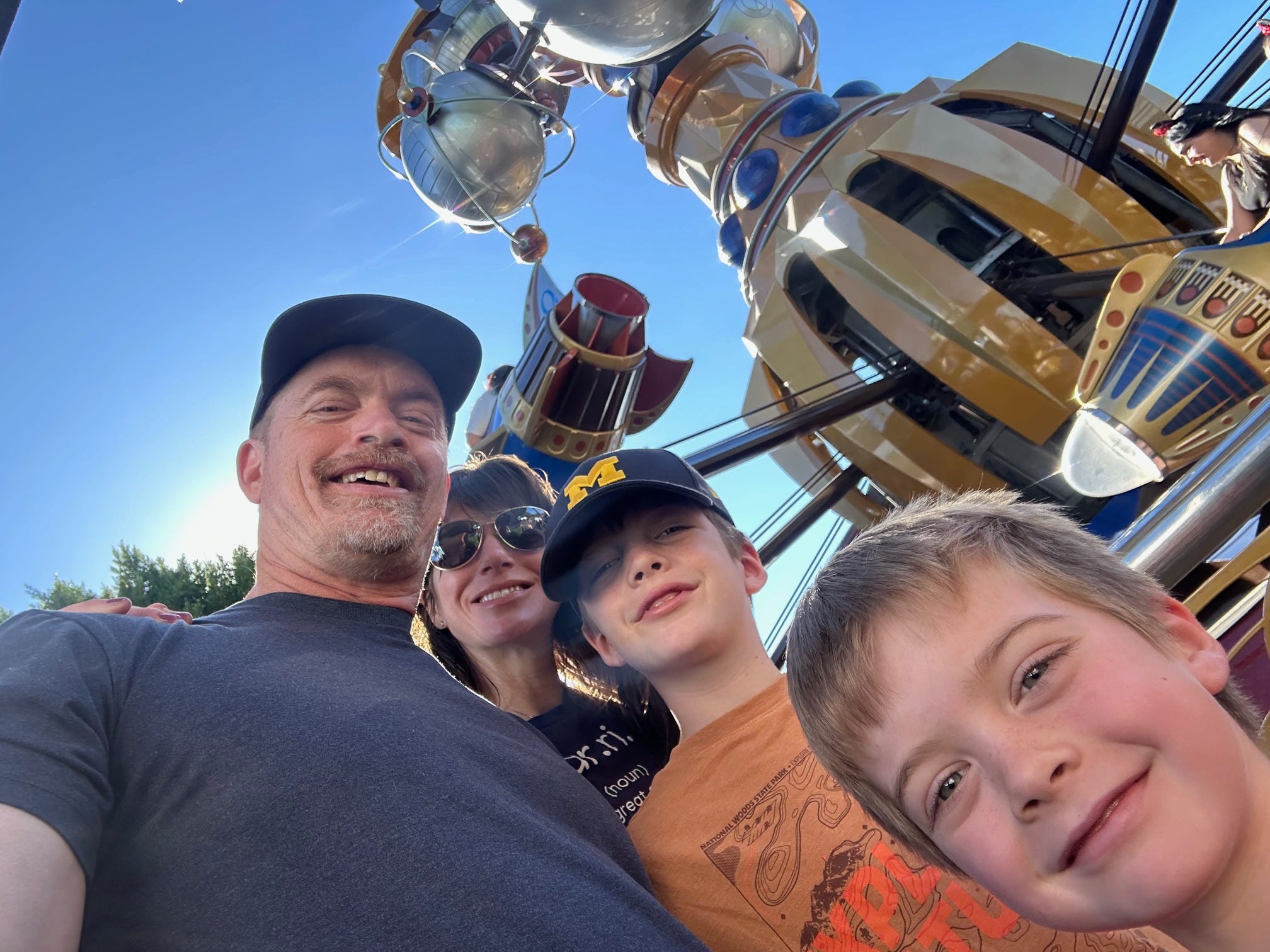
Early in my career, after stressful days, my family often got the worst of me. Over time I learned that self-care isn't a nice-to-have. It's a necessity if I want to give my family, my team and myself the best of me, rather than what's left of me.
That shift didn't happen by accident. It required learning what most leadership programs skip entirely.
Bottom Line Up Front
Most leadership programs focus on strategy, communication or management frameworks. But they overlook the foundation that determines whether leaders can actually use any of those skills:
People don't leave organizations because the perks ran out. Gallup found that one in two U.S. adults has left a job to get away from a manager at some point in their career.1 And yet most organizations never teach leaders the people skills or self-care habits they need to show up as whole humans and lead other humans well.
Leaders want work-life integration: the ability to perform at their peak while still having energy for life outside of work. That kind of sustained performance doesn't happen by accident.
The problem? Most organizations reward output while ignoring the nervous system and energy it takes to sustain it. When leaders don't know how to regulate their own stress and manage their energy, it doesn't just affect them. It affects every person they lead.
When leaders learn to regulate stress, manage energy and stay focused under pressure, everything changes.
What Organizations Gain When They Invest in Human Performance for Leaders
1Better performance
Leaders who regulate stress and manage energy make clearer decisions and lead more effective teams.
2Stronger retention
People stay where they feel supported as whole humans, not just as producers of output.
3Deeper leadership
Leaders who model resilience, presence and focus raise the culture around them.
Human performance skills like breathing, movement, focus and nervous system regulation aren't theoretical. They directly affect how leaders perform at work and at home. (Here's how we build them: skills practiced at work actually stick.)
My Final Thought: Develop the Whole Leader
Nearly every leader we speak with thanks us for this focus. The need is real, and people are hungry for it.
Leadership development works when it develops the whole leader. That means building skills across mindset, behavior and communication, along with the human systems that power them. When organizations embed these practices into real work, they see stronger engagement, better performance, and leaders who sustain their impact over time.
Now It's Your Move
1See a program in action
Learn more about our approach to leadership development, and the results from our veteran leadership cohort, in The Veteran Gap: How to Improve Veteran Retention.
2Take action
Stand up, watch this video and squat with me. This is video 4 of 4 in our series on what works, and what doesn't, in leadership development.
Missed one? Catch up on Video 1, Video 2 and Video 3.
Frequently Asked Questions
What is human performance for leaders?
Human performance for leaders is the set of physical and mental skills that let a leader perform well under pressure and still have energy left for life outside work: breathing, movement, focus, sleep and recovery, and nervous system regulation.
Why is human performance missing from most leadership development?
Most programs focus on strategy, communication and management frameworks. They assume leaders have the energy and composure to use those skills, so they never teach the habits that build that foundation. Leaders often only pay attention to their health after something breaks.
How does human performance training help organizations?
Leaders who can regulate stress and manage their energy make clearer decisions, lead more effective teams and model resilience for everyone around them. People also tend to stay where they feel supported as whole humans, which helps retention.
Develop the Whole Leader
Want to bring human performance into your leadership development? Book a call with our CEO and founder, Dr. T, or see how our cohorts work.
Book a Call with Dr. T → Explore Our CohortsSources
- Gallup. "Employees Want a Lot More From Their Managers." Gallup Workplace, from the State of the American Manager report.
Related reading: One Thing the Best Leaders Do Differently · Every Leader Gets 24 Hours. · Ever Been Physically Home, Yet Not Mentally Home?